


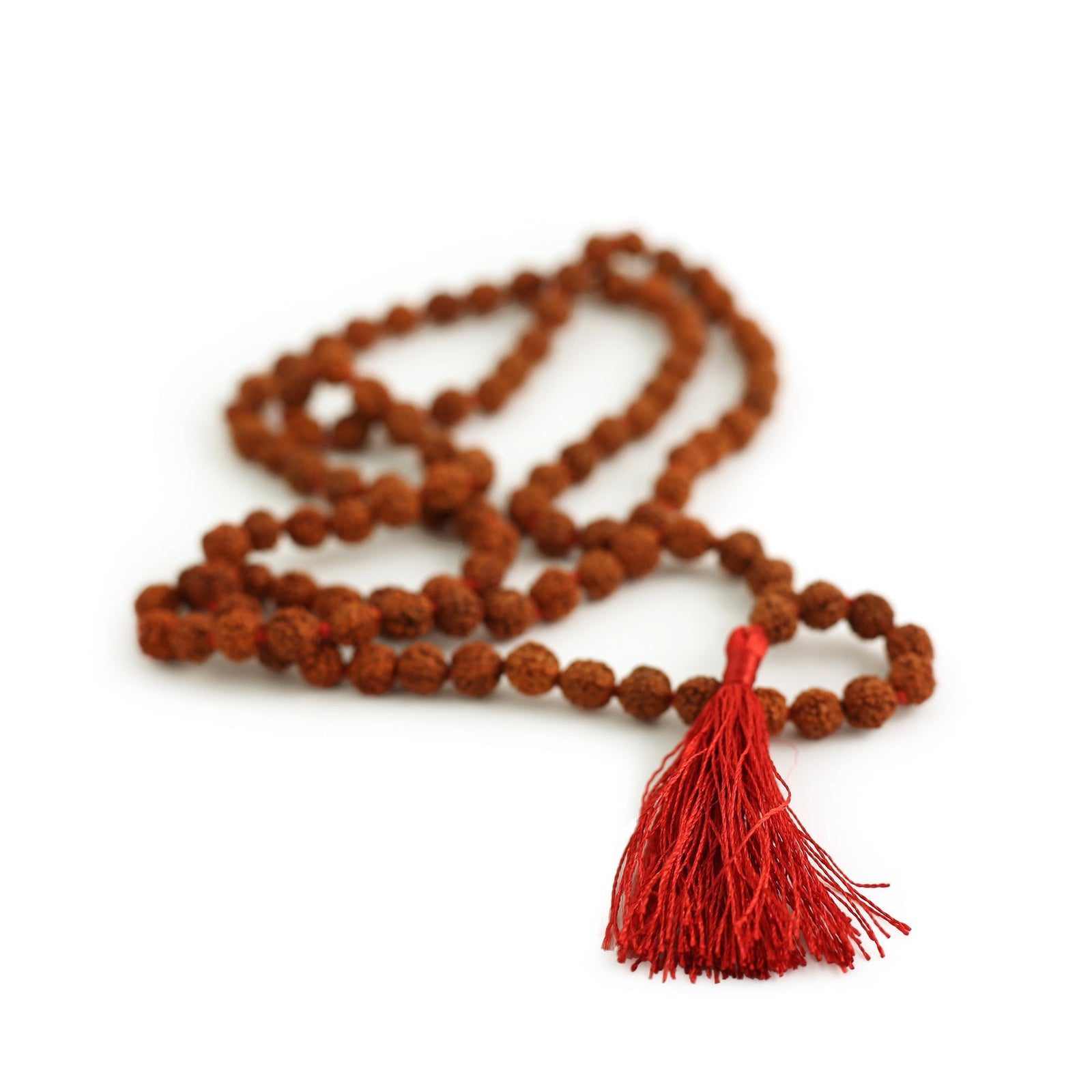

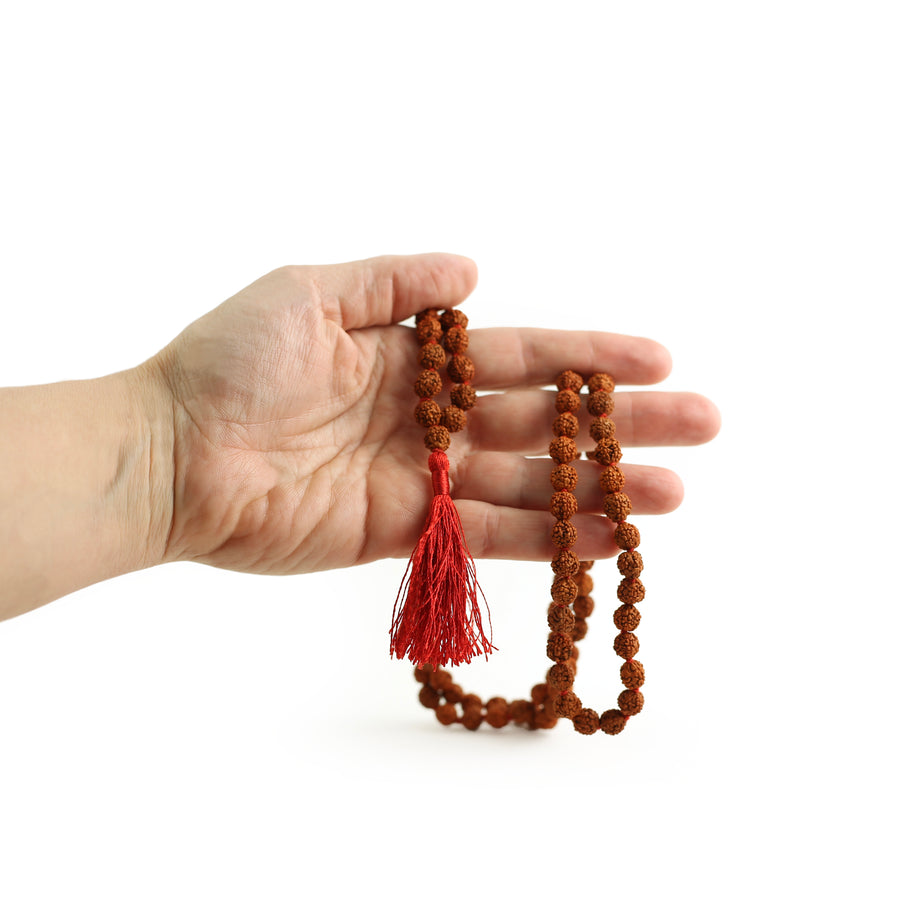

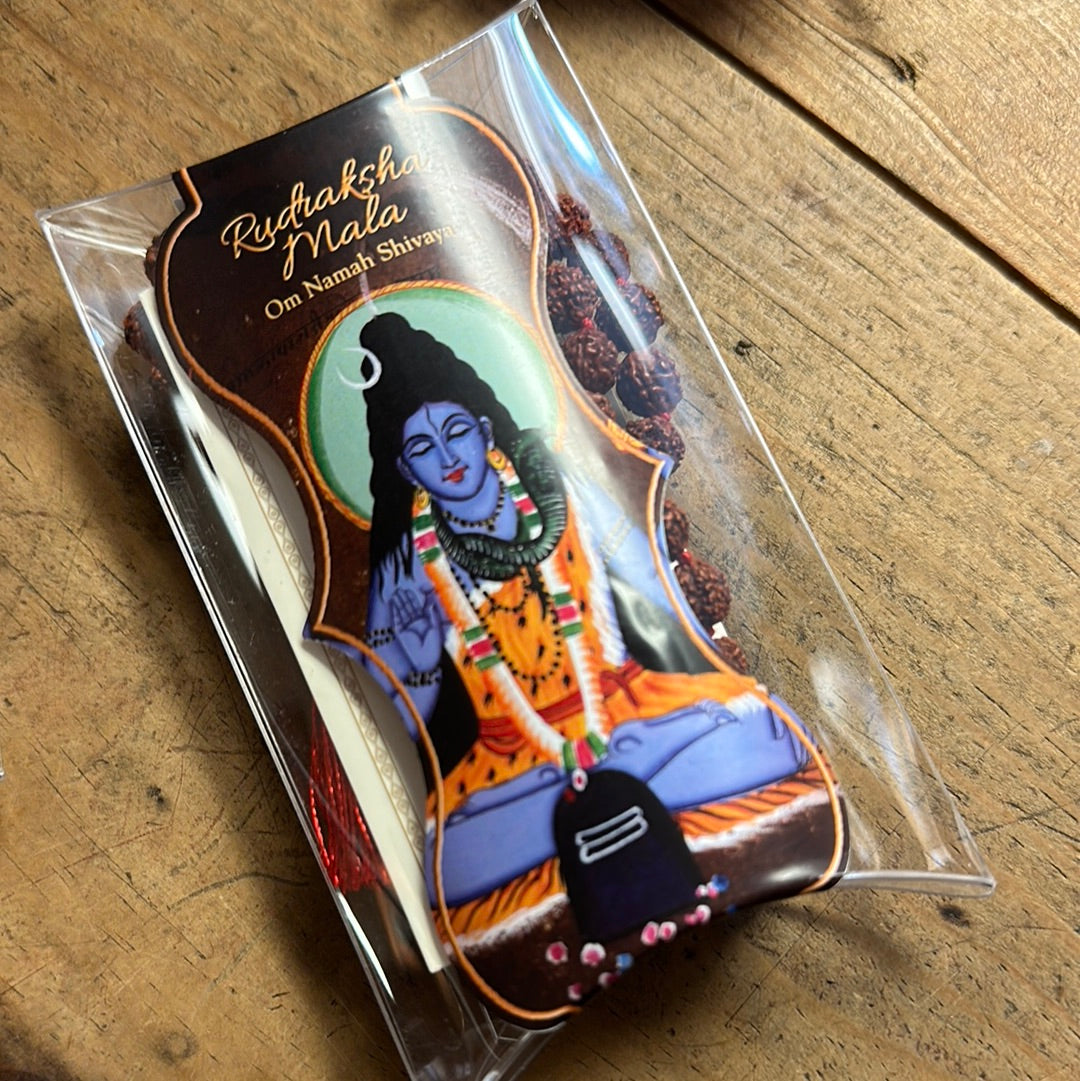

Rudraksha Mala beads
📿 Rudraksha Mala Beads
Sacred, grounding, and steeped in ancient tradition, Rudraksha mala beads have been used for centuries in meditation and spiritual practice throughout India and the Himalayan regions. The word Rudraksha comes from Sanskrit, meaning “the tears of Rudra (Shiva)”, and according to Hindu tradition these seeds formed from the compassionate tears of Lord Shiva as he meditated for the well-being of humanity.
Rudraksha beads are the seeds of the Elaeocarpus ganitrus tree, naturally textured and deeply symbolic. They are believed to carry protective and calming energy, supporting mental clarity, emotional balance, and spiritual focus.
🧘♀️ What Are Mala Beads?
A mala is a strand of prayer or meditation beads traditionally used to help count repetitions of a mantra, affirmation, or breath during meditation. Most malas contain 108 beads, a sacred number in many spiritual traditions, plus a larger bead known as the guru bead, which represents gratitude and the teacher within.
✨ How to Use Mala Beads
Meditation & Mantra Practice:
Hold the mala in your hand and move one bead at a time as you repeat a mantra, affirmation, or prayer. Each bead marks a repetition, helping you stay focused and present.
Breathwork:
Move one bead per inhale and exhale to maintain steady breathing and deepen your meditation practice.
Intentional Jewelry:
Many people wear malas around the neck or wrist as a reminder of their intentions, spiritual path, or personal mantra throughout the day.
Ritual & Spiritual Practice:
Place malas on your altar, use them during prayer, or hold them during moments of reflection to ground your energy.
🌿 Why Rudraksha?
Rudraksha beads are traditionally associated with protection, clarity, and spiritual awareness. Many practitioners believe they help calm the mind, reduce stress, and support deeper meditation by stabilizing the body’s energetic field.
Each mala is a beautiful blend of natural material, sacred symbolism, and practical meditation tool—perfect for seekers, meditators, and anyone wishing to carry a quiet moment of mindfulness wherever they go.