
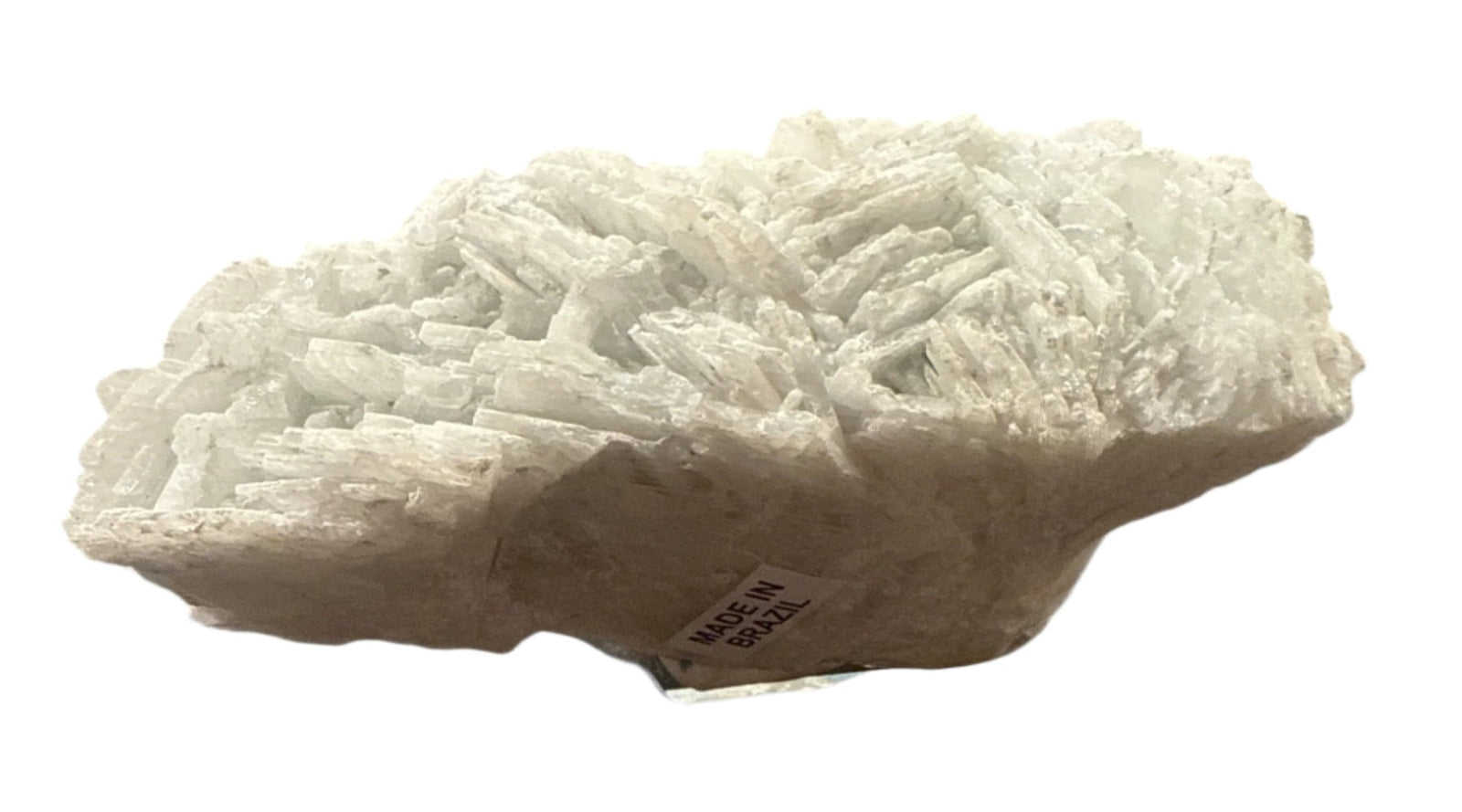

Specimens
A specimen crystal is a naturally occurring mineral crystal that has developed distinct, well-formed faces, making it representative of its mineral type. These crystals are often collected and studied for their aesthetic appeal and scientific value.
Key Features:
-
Crystal Habit: This refers to the characteristic external shape of the crystal, influenced by its internal atomic structure and environmental conditions during formation. Common habits include prismatic (elongated, prism-like shapes), acicular (needle-like), bladed (flat and elongated), and botryoidal (grape-like clusters).
-
Transparency: Specimen crystals can range from transparent to opaque, depending on their composition and internal structure. This property affects their appearance and how they interact with light.
-
Luster: The way a crystal's surface reflects light is known as its luster, which can vary from vitreous (glass-like) to resinous or pearly, contributing to the crystal's visual appeal.
-
Color: The presence of trace elements or impurities can impart various colors to specimen crystals, making each one unique. For example, amethyst is a purple variety of quartz colored by iron impurities.
Collecting specimen crystals offers insights into mineral formation processes and Earth's geological history, while also providing natural beauty for display and appreciation.


